
Mexico City, April 10 – The Mexico City Mobility Secretariat (SEMOVI) has announced the implementation of special transport services to facilitate the transfer of attendees to the highly anticipated ‘Clásico Joven’ football match between Cruz Azul and América. The match is scheduled to take place this Saturday at Estadio Banorte.
Special Transport Routes and Extended Hours
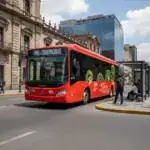
Starting at 4:00 PM, 14 special routes will be activated, operating with units from the Red de Transporte de Pasajeros (RTP) and the Servicio de Transportes Eléctricos (STE). The cost for a single trip on these special routes will be 100 pesos per person. Payments can be made using the Integrated Mobility (MI) card.
In addition to the special routes, the operating hours for the Light Rail, Metro, and Metrobús services will be extended. These services will run from 12:00 PM until 1:00 AM, ensuring that attendees have ample time to travel to and from the stadium.
Ensuring Mobility for Sports Fans
This initiative by SEMOVI aims to guarantee the smooth mobility of the thousands of fans expected to attend this significant sporting event. The ‘Clásico Joven’ is one of the most important rivalries in Mexican football, drawing a large crowd and requiring robust transport solutions.
The authorities emphasize that these measures are designed to provide a convenient and efficient way for spectators to reach Estadio Banorte, reducing traffic congestion and promoting the use of public transport.
Impact on Public Transportation
The extension of hours for the Metro, Metrobús, and Light Rail will be particularly beneficial for fans traveling from various parts of the city. These key public transport systems are integral to Mexico City’s daily commute, and their extended operation will be crucial for managing the influx of match-day travelers.
The special RTP and STE units will offer direct routes to the stadium, providing a dedicated service for football enthusiasts. This strategic planning reflects the city’s commitment to supporting major public events and ensuring accessibility for all citizens.
Previous Incidents and Future Improvements
While this announcement focuses on the ‘Clásico Joven’, recent news has highlighted other transport-related issues in Mexico City. For instance, there were reports of delays in the Metro due to workers refusing to work overtime to demand labor improvements. Adrián Rubalcava Suárez, the Metro director, assured that negotiations are underway to improve working conditions, which should, in turn, optimize service for users.
However, for this Saturday’s match, the focus remains on providing seamless transportation. The authorities are confident that the combined efforts of special routes and extended public transport hours will effectively manage the large number of attendees and prevent any significant disruptions.
Safety and Convenience
The use of the Integrated Mobility (MI) card for payment on special routes will streamline the boarding process and enhance convenience for passengers. This cashless payment system is part of a broader effort to modernize Mexico City’s public transport network.
Fans are encouraged to plan their journeys in advance and utilize the designated special transport services to ensure a stress-free experience. The ‘Clásico Joven’ is not just a football match; it’s a cultural event that brings together thousands of people, and efficient transportation is paramount to its success.
The decision to implement these measures underscores the importance of the match and the city’s dedication to providing a safe and enjoyable environment for sports fans.