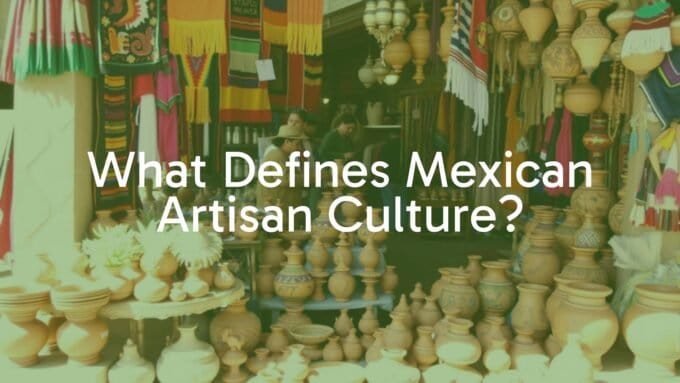

The aroma of street food, the chatter of vendors, and the vibrant, if sometimes chaotic, tapestry of informal commerce have become an increasingly dominant feature of Mexico City’s Alameda Central. What was once envisioned as a serene urban oasis, a verdant lung in the heart of the bustling metropolis, is slowly but surely being swallowed by a tide of makeshift stalls and merchandise, transforming its historic pathways into bustling marketplaces.
The Unrelenting Encroachment
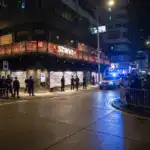
It’s a scene that plays out daily in this iconic park, a testament to the city’s rich history and cultural heritage. On the western side of the Palacio de Bellas Artes, along Avenida Juárez and within Alameda Central itself, street vending has not only persisted but thrived, seemingly impervious to previous governmental interventions. The presence of vendors, ranging from individual hawkers to organized groups, including foreigners and self-proclaimed feminist collectives, has become a permanent fixture.
Guillermo Pantoja, a photographer and observer of this urban transformation, captures the stark reality: what should be a tranquil green space is now a labyrinth of umbrellas and metal structures, with the majestic Palacio de Bellas Artes often reduced to a distant backdrop. The flow of thousands of pedestrians along Avenida Juárez is constricted, forced into narrow corridors as stalls spill over sidewalks and into the park’s interior.
A Park Transformed: From Leisure to Marketplace
The original purpose of Alameda Central, to offer families a place for respite and recreation, is being eroded. Benches, once inviting spots for weary visitors, are now improvised shelves laden with goods. The very infrastructure of the park and Avenida Juárez is co-opted by vendors to erect their stalls, leaving little room for leisurely strolls or quiet contemplation.
One of the most striking concerns is the presence of food stalls operating with gas tanks in densely populated areas, raising questions about safety. Furthermore, despite federal restrictions, the open sale of vapes and electronic cigarettes is a common sight along the Juárez corridor, highlighting a blatant disregard for regulations.
The Struggle for Public Space
The situation in Alameda Central is a microcosm of a larger struggle for public space in Mexico City. While informal commerce provides livelihoods for many, its unchecked expansion can compromise urban planning, public safety, and the preservation of historical sites. The constant re-establishment and growth of these commercial settlements, even after enforcement operations, suggest a complex interplay of economic necessity, social dynamics, and governance challenges.
As elements of the Secretariat of Government and the Secretariat of Citizen Security patrol the area, the informal market continues its relentless expansion into prohibited zones. This ongoing tension between regulation and reality underscores the difficulties in balancing the needs of vendors with the preservation of public spaces for all citizens.
The Future of Alameda Central
The question remains: what does the future hold for Alameda Central? Will its heritage continue to be overshadowed by the unyielding growth of street vending, or will a sustainable solution be found that respects both the livelihoods of vendors and the historical and cultural significance of this vital urban park? The challenge lies in finding a balance that allows for economic activity without sacrificing the essence of a cherished public space.
For now, Alameda Central stands as a living, breathing testament to Mexico City’s vibrant, complex, and sometimes contradictory urban landscape – a place where history and commerce, order and chaos, constantly vie for dominance.