
Ciudad Juarez, August 30, 2026 – The Mazahua community in Ciudad Juarez continues to uphold its rich cultural heritage, celebrating traditional festivals, dances, and customs, and ensuring their transmission to new generations. This dedication to cultural preservation occurs despite the community’s geographical distance from its place of origin, highlighting a strong commitment to identity and tradition.
Mazahua Identity Thrives in a New Setting
The Mazahua people, an indigenous group primarily from the State of Mexico and Michoacán, have established a vibrant presence in Ciudad Juarez. Their continued practice of ancestral traditions serves as a testament to their resilience and determination to maintain their cultural roots. The community actively organizes and participates in various cultural events, ensuring that their unique customs are not lost.
Preserving Customs and Festivals
Community leaders emphasize the importance of these celebrations in strengthening Mazahua identity. These events often include:
- Traditional Dances: Intricate choreographies passed down through generations, often accompanied by traditional music.
- Indigenous Festivals: Celebrations deeply rooted in their spiritual and agricultural beliefs, often marked by specific rituals and communal gatherings.
- Customary Practices: Daily life customs, including traditional attire, culinary practices, and social structures, which are diligently taught to children and adolescents.
Margarita Burgos, a prominent member of the Mazahua community, underscored the significance of these efforts. “Even though we are far from our homeland, it is crucial for us to keep our traditions alive,” Burgos stated. “We want our children and grandchildren to know where they come from and to be proud of their heritage.”
Challenges and Opportunities for Cultural Continuity
The Mazahua community in Ciudad Juarez, like many indigenous groups who have migrated, faces challenges in preserving their culture. These include the influence of urban environments, the potential for language loss among younger generations, and the need for spaces to practice their traditions. However, the community has actively sought solutions to these issues.
Intergenerational Transmission of Knowledge
A key aspect of their preservation efforts involves the active engagement of younger generations. Elders play a vital role in teaching children about their history, language, and customs. Workshops, storytelling sessions, and direct participation in cultural events are common methods used to ensure that traditions are passed down effectively.
The emphasis on intergenerational learning is crucial for the long-term survival of their cultural practices. By involving youth, the community ensures that the knowledge and skills associated with their traditions are not only remembered but also actively practiced and adapted by future generations.
Broader Context of Indigenous Migration and Preservation
The Mazahua community’s efforts in Ciudad Juarez are part of a broader trend among indigenous groups in Mexico who migrate to urban centers in search of better opportunities while striving to maintain their cultural identity. This phenomenon highlights the complex interplay between economic necessity and cultural preservation.
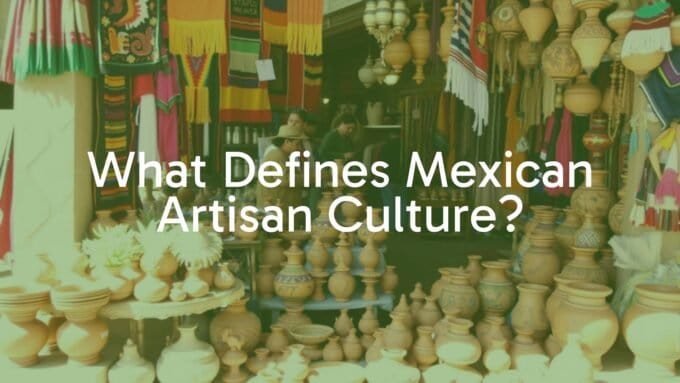
Recent reports indicate that a lack of opportunities in their places of origin often pushes indigenous populations to migrate, leading them to sell handicrafts in cities. This economic activity, while providing income, also serves as a means to share and preserve aspects of their material culture.
The Mazahua community’s success in maintaining its traditions in Ciudad Juarez offers a compelling example of how cultural resilience can thrive even in new and challenging environments. Their ongoing commitment ensures that their unique heritage remains a vibrant part of Mexico’s diverse cultural landscape.
Source: oem.com.mx