
COPARMEX Warns of Economic Slowdown and Job Losses in Mexico City
Mexico City, May 1, 2026 – The Mexican Employers’ Confederation (COPARMEX) has issued a stark warning about a significant economic slowdown and a concerning decline in employment within Mexico City. The organization highlighted a trifecta of critical issues: persistent job losses, a pervasive lack of formal employment, and an alarming stagnation in annual economic growth.
Key Concerns: Job Losses and Informality
Hilda Escalona Reza, a prominent voice in the economic discourse, underscored the weakening economic landscape. COPARMEX’s analysis points to a troubling trend where job creation is insufficient to absorb the workforce, leading to an increase in unemployment and underemployment. A major contributing factor to this precarious situation is the widespread presence of informal labor. According to related reports, 33 million people in Mexico survive on informal jobs, which severely limits their access to social security and other essential benefits.
Stagnant Growth and Systemic Issues
The economic outlook for Mexico City is further complicated by a nosedive in annual growth, indicating a lack of dynamism in key sectors. The Mexican labor system, as a whole, is described as stagnant due to precarity, informality, and exclusion. This systemic issue not only affects the capital but resonates across the nation, making it difficult for workers to achieve financial stability and for the economy to realize its full potential.
Calls for Strategy Reevaluation
Representatives from various sectors are sounding the alarm, warning of a deterioration in consumption patterns. This decline is a direct consequence of reduced purchasing power among a significant portion of the population, stemming from unstable employment and low wages. In response, there are urgent calls for a comprehensive reevaluation of government strategies to address these pressing economic challenges. The current approaches are deemed insufficient to stimulate growth, create formal jobs, and improve the overall well-being of the workforce.
Recent Developments in the Labor Landscape
- CTM Backs Claudia Sheinbaum: The Confederation of Mexican Workers (CTM) has publicly endorsed Claudia Sheinbaum and is actively pushing for a 40-hour workweek in Mexico, a move that could significantly impact labor conditions.
- International Innovation and Entrepreneurship Fair 2026: This event aims to boost Micro, Small, and Medium-sized Enterprises (MSMEs), recognizing their crucial role in job creation and economic diversification.
- Metro CDMX Line 2 Remodeling: Workers involved in the remodeling of Metro Line 2 have reported working without pay and under threat of dismissal, leading to protests and calls for fair wages.
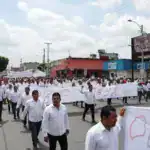
- Informal Workers’ Day: On May 1st, International Workers’ Day, informal workers marched to the Zócalo, emphasizing their precarious living conditions without formal labor benefits.
Impact on Mexico City Residents
The economic challenges outlined by COPARMEX have a direct impact on the daily lives of Mexico City residents. The lack of formal employment opportunities means a significant portion of the population is vulnerable to economic shocks, with limited access to healthcare, pensions, and other social safety nets. The call for a reevaluation of government strategies underscores the urgency of finding sustainable solutions to foster economic growth and ensure a more equitable distribution of wealth.
As Mexico City navigates these economic headwinds, the focus remains on implementing policies that promote formal employment, stimulate investment, and create a more resilient and inclusive economy for all its inhabitants. The challenges are substantial, but the ongoing dialogue and calls for action from organizations like COPARMEX are crucial steps toward addressing these critical issues.