Mexico City Congress Approves Inclusion of Cultural Traditions in Constitution
Mexico City, June 1, 2026 – The Mexico City Congress has taken a historic step to recognize and safeguard the intangible cultural heritage of the metropolis. In a unanimous vote, legislators approved a ruling that will enshrine traditions such as mariachi, charrería, Day of the Dead, and local gastronomy in the capital’s Political Constitution.
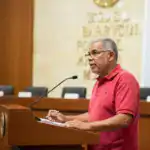
The decision was made during the Closing Session of the legislative body, where deputies unanimously backed an initiative presented by Deputy Pedro Haces Lago. This initiative aims to incorporate the explicit recognition of intangible cultural heritage inscribed on the representative list of the United Nations Educational, Scientific and Cultural Organization (UNESCO) into the capital’s Magna Carta.
“Today is a historic day for Mexico City. Today we present a ruling that embraces, recognizes, and strengthens our culture, but also our traditions,” stated the MORENA legislator.
Preserving Identity and Heritage
Deputy Haces Lago elaborated on the ruling, which amends Article 18 of the local Political Constitution. He explained that the primary objective of his proposal is to preserve, strengthen, and guarantee the transmission of traditions, knowledge, and cultural expressions that form an integral part of the identity of the original peoples, neighborhoods, and communities within the capital.
He emphasized that the reform will establish a framework for the active participation of the communities that are the custodians of this cultural heritage. This participation will be guided by principles of substantive equality and a gender perspective, acknowledging the fundamental role of women in preserving cultural memory and traditions.
“This reform establishes something fundamental: that the bearer communities participate in a real and effective way, and that this participation is done with substantive equality and a gender perspective,” he reiterated on behalf of the United Commissions of Constitutional Points and Citizen Initiatives, and Cultural Rights.
Support from Cultural Representatives
During the presentation and voting of the ruling, representatives from various cultural organizations were present in the galleries of the Plenary Hall. These included mariachi organizations, charro and escaramuza associations, members of the restaurant sector, and delegates from the original peoples and communities of San Andrés Mixquic. All expressed their strong support for this initiative, which seeks to protect and promote Mexico City’s rich cultural traditions.
Following the vote, a group of mariachis celebrated the approval by performing several melodies, marking a joyous occasion for the preservation of intangible cultural heritage.
Press Conference and Future Prospects
Later, in the Lobby of the Legislative Precinct of Donceles, Deputy Pedro Haces Lago held a press conference. He was joined by other popular representatives and mariachis, where he underscored the importance of protecting the expressions that form part of Mexico’s intangible cultural heritage.
Haces Lago asserted that preserving these traditions is crucial for strengthening the identity and memory of communities. “Safeguarding our heritage is defending who we are. It is guaranteeing that new generations know where they come from. It is strengthening community identity and national pride. For our traditions; for charrería; for mariachi; for the Day of the Dead, gastronomy, and for all those expressions that make Mexico a unique and rich nation in the world,” he concluded.
This legislative action follows a series of other significant decisions by the Mexico City Congress, including proposals to reform the Mexico City Mobility Law and the announcement of an Extraordinary Period by the Permanent Commission. The Congress continues to address various legislative matters, focusing on transparency, data protection, and the well-being of the city’s inhabitants.
Source: https://www.congresocdmx.gob.mx/comsoc-tradiciones-culturales-cdmx-quedaran-plasmadas-constitucion-politica-capitalina-7578-1.html