
PAN Proposes Tourist Tax in Mexico City to Strengthen Services and Housing
Mexico City, March 18, 2026 – The National Action Party (PAN) parliamentary group in the Mexico City Congress has proposed the implementation of a Tourist Stay Tax. This initiative aims to levy a 3% tax exclusively on foreign visitors for their lodging and consumption in the city. The primary objective is to generate new revenue streams to strengthen public services and address the growing housing deficit, particularly in anticipation of the 2026 FIFA World Cup.
Why a Tourist Tax?
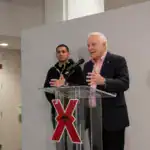
Deputy Federico Chávez Semerena, the proponent of the initiative, emphasized that the tax is crucial for ensuring that the sustained growth of tourism, especially with the influx of millions of additional visitors expected for the 2026 World Cup, contributes proportionally to the maintenance of public services. He stated, “If we want new rights and better services, we need new sources of financing. International tourism can and should contribute to making the city sustainable, orderly, and fair.”
Chávez Semerena highlighted that similar tourist taxes have been successfully implemented in major global cities such as Paris, Rome, Madrid, Berlin, and Tokyo. Domestically, Mexican states like Quintana Roo and Baja California Sur also have comparable taxes in place.
Transparency and Accountability
The proposed initiative includes robust mechanisms for transparency and accountability, ensuring that the generated funds are directly utilized for the benefit of the city and its inhabitants. “This is not an improvised or senseless recaudatory measure. It is responsible planning. It is anticipating tourist growth and protecting the quality of life of Mexico City residents,” clarified Chávez Semerena.
Impact of Tourism Growth
Mexico City currently receives over 14 million visitors annually, generating a tourism-related economic spillover exceeding 120 billion pesos per year. This figure is further augmented by the increasing phenomenon of “digital nomads,” whose consumption in housing, food, and services already accounts for tens of billions of pesos annually. This trend places additional pressure on popular neighborhoods such as Roma, Condesa, Juárez, Centro, Polanco, and Del Valle.
While acknowledging the significant economic benefits of tourism, Chávez Semerena also pointed out the associated urban and social costs. These include wear and tear on infrastructure, saturation of public spaces, increased demand for water, mobility challenges, and pressure on housing accessibility in areas with high temporary demand.
Estimated Revenue and Allocation
Conservative estimates suggest that the proposed measure could generate an additional 1.5 billion to 2.5 billion pesos annually. This figure could potentially reach up to 5 billion pesos if the total tourist consumption linked to international visitors is considered.
The collected funds would be allocated to critical areas such as urban infrastructure, security, public spaces, water supply, and housing. Mexico City currently faces a housing deficit exceeding 500,000 units, with the local Housing Institute constructing only 5,000 to 6,000 homes annually, far short of the over 30,000 required each year.
Who Will Be Affected?
The tax would exclusively apply to foreign visitors on tourist visas. It would not affect residents, students, or foreign workers. The collection of the tax would be facilitated through service providers, such as hotels and restaurants.
Chávez Semerena concluded by stating, “Receiving the world also implies taking care of those who live here every day. It is not about curbing tourism but managing it with responsibility and justice.”