
Sixteen Indigenous Communities Thrive in Ciudad Juárez for Over Six Decades
Ciudad Juárez, Chihuahua, Mexico – April 15, 2026 – Sixteen indigenous communities have established their homes in Ciudad Juárez for over 60 years, contributing to the city’s rich cultural diversity. Among these groups, the Chinantecos, Mixtecos, and Mazahuas are noted for their significant presence, according to Diana Laura Lozano Linares, coordinator of the Municipal Center for Indigenous Peoples (CEMPO).
Lozano Linares highlighted that these communities, while deeply rooted in Juárez, are not concentrated in single settlements but are rather dispersed across various neighborhoods and districts, particularly in the southeastern part of the city.
Leading Indigenous Groups and Their Locations
The Chinanteco community stands out as one of the largest indigenous groups in Ciudad Juárez, with an estimated 2,000 individuals. They are primarily located in areas such as Las Torres, Boulevard Zaragoza, and have smaller populations in Tierra Nueva and Riberas, stage 9. Notably, a significant portion of the Chinanteco community is employed within the maquiladora industry.
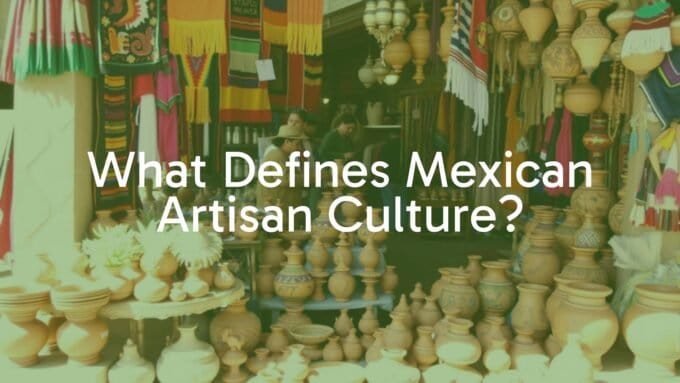
The Mixteco community holds the second-largest presence and is mainly found in the Plutarco Elías Calles extension and parts of Anapra. Members of this community are often involved in traditional crafts, such as weaving synthetic palm.
In third place are the Mazahua people, who have a strong presence in neighborhoods like Revolución Mexicana, Granjas de Chapultepec, and Municipio Libre. The Mazahuas are well-known for their entrepreneurial spirit, frequently engaging in commerce, particularly selling sandals outside maquiladoras and in second-hand markets.
Beyond these three leading groups, Ciudad Juárez is also home to other indigenous peoples, including the native Rarámuris and N’Dee (Apache), as well as those who have migrated from other regions of Mexico, such as the Huicholes, Popoluca, Zapoteco, Mazateca, Purépecha, Náhuatl, Otomí, Mam, and Chiricahuas.
Dispersion and Economic Contributions
Unlike some indigenous communities that maintain distinct settlements, the indigenous populations in Ciudad Juárez are largely integrated into the urban fabric. “We are not agglomerated as a community like the Rarámuri people, because we do not have the settlements, but we are dispersed,” explained Lozano Linares. This dispersion is evident in areas like Parajes del Sur, San Pancho, Talamás Camandari, Parajes de San Juan, San José, Finca Bonita, and throughout the southeastern region.
The economic activities of these communities vary, with the Chinantecos predominantly working in manufacturing. The Mazahua and Mixteco communities, on the other hand, are largely dedicated to artisan crafts and commerce, preserving their cultural heritage while contributing to the local economy.
CEMPO’s Role and Future Outlook
The Municipal Center for Indigenous Peoples (CEMPO) plays a crucial role in supporting and recognizing these communities. CEMPO’s efforts include conducting outreach and working directly with various indigenous groups to understand their needs and promote their cultural heritage within Ciudad Juárez.
The continued presence and contributions of these sixteen indigenous communities underscore the diverse and multicultural nature of Ciudad Juárez, a city that has served as a home for these groups for over half a century.