
Mexico City Gears Up for World Cup 2026 with New Digital Guides for Tourists and Hosts
Mexico City, April 28 – In anticipation of the 2026 FIFA World Cup, Mexico City has rolled out comprehensive digital guides designed to channel the economic benefits of the global event to its traditional small businesses. These guides, a collaborative effort between various capital government departments, Airbnb, and the Chamber of Small Commerce, Services and Tourism of Mexico City (Canacope), target both international tourists and local accommodation providers.
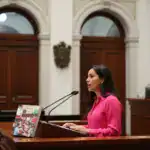
Sebastián Colín, Airbnb’s Director of Public Affairs for Mexico, announced at a press conference that the guides are a direct outcome of the “World Cup Mipymes 2026” program. They feature businesses located not only in prominent tourist areas but also in smaller, traditional establishments across all 16 boroughs of Mexico City.
“These are businesses from the 16 boroughs, covering various commercial sectors. It’s not just gastronomy, tour guides, and artisans for travelers to consume and spend their money in local hands; it also includes neighborhood businesses like plumbers, maintenance services, locksmiths, or laundries that hosts can turn to,” Colín explained, emphasizing the broad scope of the initiative.
Over 400 Small and Medium Businesses Trained for Tourist Welcome
In parallel with the guide’s launch, Canacope, along with the CDMX Secretariats of Tourism, Economic Development, and Labor and Employment Promotion, provided training to more than 400 small and medium-sized enterprises (SMEs). This training focused on enhancing their capacity to receive and serve tourists effectively.
The primary objective, as stated by Canacope, is to “connect national and international tourists with the thousands of traditional small businesses that have prepared to offer quality service during the 2026 FIFA World Cup.”
From Culinary Delights to Essential Services: A Dual Guide Approach
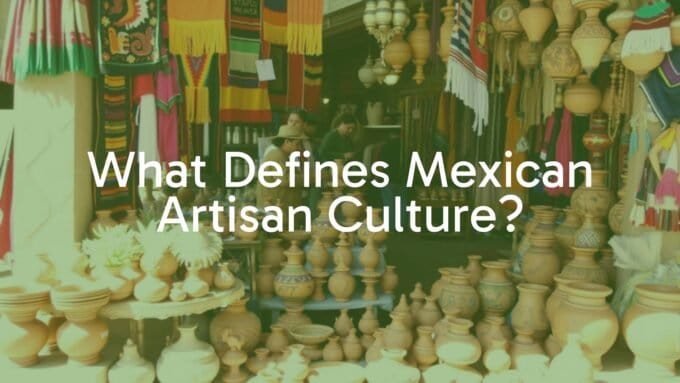
Colín further detailed the dual nature of the guides. The tourist guide encompasses approximately 350 local businesses, including traditional eateries (fondas and taquerias), convenience stores, bars, cantinas, craft shops, currency exchange houses, hotels, and hostels. These establishments are organized by borough, providing addresses, contact information, and even suggested tourist routes.
The second guide, tailored for hosts, lists around 150 businesses offering services such as plumbing, workshops, laundries, and general maintenance. This resource aims to assist accommodation providers, including those on platforms like Airbnb, in maintaining their properties to high standards.
“Often, we only focus on tourists. But on the other hand, there is also an impressive and very important value chain that we need to foster,” Colín remarked, underscoring that hosts also contribute significantly to the local economy by contracting various services for property upkeep.
Both guides are available in English and Spanish. Airbnb will distribute them among its hosts and guests, and they will also be accessible on the Canacope website. Furthermore, physical copies and QR codes for digital access will be strategically placed at key locations such as Mexico City International Airport, the Northern Bus Terminal, Metro and Metrobús stations, and other prominent points across the city during the World Cup.
“World Cup Mipymes 2026” Program: Empowering Local Businesses Beyond the Tournament
The “World Cup Mipymes 2026” program, through which Canacope and the CDMX Secretariats of Tourism, Economic Development, and Labor and Employment Promotion trained over 400 SMEs, covered vital topics such as digitalization and marketing, administrative management, energy efficiency, basic services, and staff retention.
Sebastián Colín emphasized that these training initiatives are designed to equip businesses to attract tourists not only during the 2026 World Cup but also during other peak seasons. “After the World Cup, Mexico City has Day of the Dead, Formula 1, thousands of concerts, then Christmas. It will always be in high season,” he noted.
Ada Irma Cruz Davalillo, President of Canacope in CDMX, projected significant growth for several sectors during the 2026 World Cup. Bars and cantinas are expected to see a 33% to 35% increase in sales volume. Grocery stores are estimated to boost sales by up to 35%, restaurants and fondas by 28%, and temporary rental service providers like Airbnb by 22% to 38%.
World Cup 2026: A Catalyst for Employment and Economic Growth
Canacope anticipates that the 2026 World Cup will generate an economic impact of 81 billion pesos nationwide. For Mexico City specifically, the estimated economic spillover is 16.94 billion pesos, with tourist spending accounting for the largest share at an estimated 12.5 billion pesos.
Nationally, the 2026 World Cup is expected to create 112,200 direct temporary jobs, with 68,000 of these concentrated in Mexico City. An additional 44,200 temporary jobs are projected for the capital.
Source: https://www.chilango.com/noticias/mundial-2026-crean-guia-negocios-tradicionales-cdmx-para-turistas-y-anfitriones/amp