
Mexico City Congress Approves Care System Law with Unanimous Vote
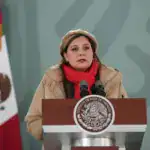
Mexico City, May 26, 2026 – The Mexico City Congress, with a unanimous vote of 64 in favor, approved the expedition of the Mexico City Care System Law this Tuesday. The initiative, proposed by the Head of Government, Clara Brugada Molina, followed an extensive consultation process with various sectors and the general public.
Deputy Víctor Gabriel Varela López, on behalf of the Joint Commissions on Inclusion, Social Welfare and Enforceability of Social Rights and Gender Equality, stated that the new law incorporated the opinions and proposals of civil organizations, feminist collectives, caregivers, and care recipients. These insights were gathered during public hearings held by the capital’s Congress.
“We must reduce the burden of work that has traditionally fallen on women; we must redistribute. As men, we must assume this responsibility, remove the gender role from care work. Sexual orientation or gender has nothing to do with a concrete activity like care,” said Varela López.
He further explained that the approved opinion stemmed from the proposal of the Head of Government, as well as eight other initiatives presented by legislators from different political forces represented in the capital’s Congress.
Recognizing the Invisible Labor of Caregivers
Deputy Cecilia Vadillo Obregón highlighted that the consultation for this law required a significant technical and physical effort. She emphasized that this legislation recognizes women who have sacrificed their dreams to dedicate themselves to caregiving.
“Because care sustains life. Care is the ancestral heritage of our mothers and grandmothers; care is culture and social fabric. Care is given in families, but there are also women who care for and sustain entire communities on their shoulders,” stated the President of the Gender Equality Commission.
Vadillo Obregón stressed that the Care System signifies hope, opportunities, free time, rest, and putting those who have been historically invisible, mostly women, at the center. “It means recognizing that today 30 percent of the city’s economy is sustained by caregivers, and 90 percent of them receive no payment,” she reaffirmed.
A Historic Day for Social Justice
Eighteen deputies spoke to justify their vote, including seven from MORENA. Deputy Xóchitl Bravo Espinosa, coordinator of the MORENA bench, asserted that today marks a historic day for Mexico City, as the expedition of this law is not merely an administrative and legislative procedure.
“It is an act of social justice, equality, and recognition for millions of people who for decades have sustained daily life through the invisible work of care,” Bravo Espinosa emphasized.
MORENA deputies Valentina Valia Batres Guadarrama, Valeria Cruz Flores, Juana María Juárez López, Martha Ávila, Miguel Ángel Macedo Escartín, and Víctor Hugo Lobo Rodríguez highlighted that this law establishes care as a human right and a shared responsibility. They added that it builds a more just and equal city, as care will no longer be seen as an individual obligation.
Cross-Party Support and Future Challenges
From the PAN party, legislator Lizzette Salgado Viramontes affirmed that the approval of this law demonstrates that progress can be made collectively when people and their needs are prioritized. Her colleague Andrés Atayde Rubiolo acknowledged the dialogue among political forces, civil organizations, and specialists in constructing an improved opinion.
For the PVEM, Deputy Claudia Neli Morales Cervantes stated that today represents a firm step towards a more just and humane city. Congresswoman Paula Alejandra Pérez Córdova expressed her recognition for the women from indigenous towns and neighborhoods, and Afro-Mexican women who have historically sustained invisible forms of care.
Petista Deputy Jannete Elizabeth Guerrero Maya recognized that the expedition of the Care System Law is the culmination of years of struggle by individuals who worked to make it possible.
Royfid Torres González and Patricia Urriza Arellano from Movimiento Ciudadano emphasized the need to continue strengthening this legislation, particularly from the perspective of people with disabilities. They also pointed out that without resources for infrastructure, what is stipulated in the law cannot be materialized, and therefore their party will ensure a homogeneous distribution of the budget in this regard.
Perredista Pablo Trejo Pérez explained that care represents more than 460 billion pesos and just over four points of GDP, making the care economy central to the city’s economic and social development.
Legislator Tania Nanette Larios Pérez, from the PRI, considered that there is still a long way to go to vindicate this act of justice, and that for its effectiveness, the resources, infrastructure, monitoring, and follow-up indicated by the law are needed.
From the Progressive Parliamentary Association for Transformation, Deputy María del Rosario Morales Ramos highlighted that this norm seeks to reduce inequality gaps and generate better living conditions for millions of people in the city.
Finally, Deputy Diana Sánchez Barrios, from the Parliamentary Association of Women for Feminist and Inclusive Commerce, expressed that this law sustains life and society, and that defending the Care System is a collective and state responsibility.
Source: https://www.congresocdmx.gob.mx/comsoc-aprueba-congreso-cdmx-expedicion-ley-sistema-cuidados-ciudad-mexico-7538-1.html