Mexico City Congress Reviews World Cup 2026 Legacy: 125 Million Engaged in Public Spaces
Mexico City, August 9 – The Mexico City Congress announced that 125 million people followed the World Cup in the capital’s public spaces during the FIFA World Cup 2026. This review by the Special Commission for Monitoring and Oversight of the Organization and Development of the FIFA World Cup 2026 highlighted the tournament’s lasting impact on the city’s infrastructure and public engagement.
Extensive Urban Improvements and Public Participation
Authorities from the Mexico City government presented a comprehensive report to the capital’s Congress detailing the outcomes of the 2026 World Cup initiatives. These included over two thousand works and improvements in mobility, security, lighting, and urban services. According to the presentation on August 9, these enhancements will remain as permanent infrastructure for the city’s residents.
Key figures from the report underscore the extensive reach and participation:
- 125 million people followed the World Cup in public spaces across the capital.
- 2.507 million visitors attended activities related to the competition.
- 5.5 million people participated in mass events such as the Global Village and the World’s Largest Wave.
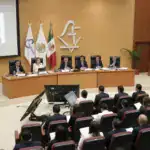
The meeting involved Alejandra Frausto Guerrero, Secretary of Tourism for the capital; Nashieli Ramírez Hernández, head of the General Comptroller’s Office; and Eréndira Cruzvillegas Fuentes, legal and services advisor. This information was detailed in a statement from the Mexico City Congress dated August 7.
Economic Benefits and Accessible Fan Zones
Deputy Ángel Augusto Tamariz Sánchez, president of the special commission, emphasized the economic benefits the tournament brought to merchants, artisans, and small service providers. He asserted that the urban improvements were not solely for tourists but were designed to enhance infrastructure for all city inhabitants.
Tamariz explicitly rejected claims of extravagant renovations funded by public money. He stated, “There were no luxurious box renovations with public money. There was efficiency, planning, and a frontal fight against any attempt at corruption. Everything necessary to be a good venue was addressed, and at the same time, the works carried out remain as a legacy for the working people of our city.”
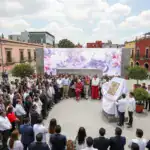
He also highlighted the installation of Fan Fests in the Zócalo and all 16 boroughs, which allowed residents to follow the tournament free of charge. “The right to recreation was guaranteed by installing football festivals that served as gathering points with giant screens, completely free of charge in all the city’s boroughs. It was ensured that no one would miss out on the World Cup experience due to lack of economic resources,” Tamariz added.
International Promotion and Public Service Efforts
Deputy Xóchitl Bravo Espinosa commended the city administration for delivering “good accounts” on the actions implemented during the sporting event. She noted that these results were achieved despite opposition criticisms, attributing success to the dedicated work of figures like Head of Government Clara Brugada.
Bravo summarized, “We want to tell the people of Mexico City that good accounts are being delivered. Those who said it couldn’t be done were left wanting, because there are extraordinary women who worked tirelessly every day, like the Head of Government, Clara Brugada (…). But it was possible, and it was done very well.”
Other deputies, including Brenda Ruiz Aguilar, Elvia Estrada Barba, Ernesto Villarreal Cantú, and Luisa Fernanda Ledesma Alpízar, echoed these sentiments, agreeing that the works yielded positive results for the city and would continue to benefit the population.
Secretary Frausto affirmed that the World Cup served as an international promotional campaign for Mexico City without requiring additional resources, significantly boosting the capital’s global exposure. Ramírez added that the positive impact extended beyond the tournament’s 39 days, fostering community spaces among residents. Cruzvillegas attributed the successful outcomes to the efforts of 140,000 public servants who assisted both residents and visitors throughout the event.
Source: infobae.com