Mexico City Declares Traditional Sweet Bread Knowledge as Intangible Cultural Heritage
Mexico City, September 13, 2026 – The knowledge, techniques, and practices associated with the creation of traditional sweet bread have been officially recognized as Intangible Cultural Heritage of Mexico City. This declaration was formalized through a decree published in the capital’s Official Gazette.
The announcement coincided with the inauguration of the First Mexican Sweet Bread Festival, an event held from September 11 to 13 at UTOPÍA Elena Poniatowska Amor. The festival brought together more than 30 producers from Mexico City and other states, showcasing the rich diversity of Mexican sweet bread.
Declaration Safeguards Knowledge, Techniques, and Collective Memory
The recognition encompasses the processes of elaboration, distribution, and consumption of sweet bread, as well as the knowledge passed down through generations. It also includes the symbolic values, expressions, and social practices developed around the baking profession.
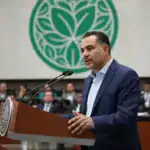
Ana Francis López Bayghen Patiño, the capital’s Secretary of Culture, emphasized that the declaration primarily acknowledges the individuals who preserve this knowledge. “We are not just declaring a concha, a chilindrina, a garibaldi, a puerquito, or a pan de muerto as heritage. We are recognizing something much larger: the knowledge that makes these breads possible. We recognize the hands of master bakers, the techniques learned through observation, practice, and repetition, and the recipes passed from one generation to the next. We recognize the knowledge of ingredients, timings, temperatures, and ovens. We also recognize the words, stories, forms of organization, and community relationships that have been built around this craft,” she stated.
The declaration was the result of collaborative efforts between the baking community, its organizations, and the Mexico City Secretariat of Culture. The process aimed to safeguard the techniques, recipes, and transmission methods that sustain this vital expression of culinary culture.
Festival Gathers Over Thirty Producers and Three Hundred Traditional Mexican Breads
The gastronomic event featured more than 300 varieties of sweet bread, ranging from traditional Mexico City preparations to products made with sourdough. Each participant presented pieces representative of their communities, processes, and ingredients.
The festival experience included conversations with bakers and chefs, a living museum where the bread-making process could be observed in real time, a historical section, and an outdoor forum with live music. These activities aimed to connect the public with the individuals responsible for preserving this ancient craft.
Alejandra Frausto Guerrero, the capital’s Secretary of Tourism, noted that the festival serves as a measure to keep this knowledge alive. “This is part of a Safeguarding Plan. And here, they got ahead of the task, because this festival is already a safeguarding plan. This festival already represents all the people who imagined what bread they would bring, what diversity they would show to people with all tastes,” she affirmed.
Talks and Demonstrations Bring Baker’s Knowledge to the Public
The program commenced on Friday, September 11, with a conversation by Carlos Viesca González titled “Sweet Bread: A Heritage to Be Eaten?” and a presentation by Ángel Martínez on “The Four Regions of San Luis Potosí.”
Saturday, September 12, featured presentations on “Prickly Pear and Garambullo Bread” by Ricardo Quistian, and a “Success Story” by Jlaen González. Subsequently, Ángel Castañón Rivera, winner of the 2026 Panadero de las Américas award, delivered a talk on “Bakery Trends,” while Inga Hernández González led “Kneading Tradition: Bread in the Daily Life of Mexico City.”
The closing day, Sunday, September 13, included sessions on “Training and Professionalization of the Craft” with José Lulo Ubaldo; “Michoacan Bakery: A Living History of Our Traditions” with Oliverio Cruz Gutiérrez; “Learning (or Starting) from Mistakes” with Luis Gabriel Portillo; and “Perspective on the Training of Women in Contemporary Baking” presented by Gaby Ramírez.
Baking Industry Contributes Employment and Economic Activity
Julián Castañón Fernández, president of the National Chamber of the Baking, Pastry, and Similar Industries of Mexico (CANAINPPA), reported that the country has 59,320 bakeries, employing approximately 615,000 people.
“In Mexico, there are 59,320 bakeries that employ around 615,000 people, and we are talking about the wheat, flour, suppliers, bread chain-that is, the entire complete chain. We are talking about nearly 1.5 million people participating in our productive and economic chain. Between 1.5 and 1.8 percent of the national GDP is related to us. Yes, we are mostly small businesses, but we have a significant, very significant activity within the country’s economic activity,” he explained.
UTOPÍA Elena Poniatowska Hosts Three Days of Music and Baking Tradition
Artistic ensembles performed daily at 3:00 PM. The program began with “Sabor y Amor, Ritmos Latinos” by the UTOPÍAS Dance Initiation School, continued with the “Orquesta Huitzilin,” and concluded with the Ballet Folklórico México en su Color.
The First Mexican Sweet Bread Festival took place from 8:00 AM to 8:00 PM. The event was organized by the Secretariats of Culture, Tourism, and Economic Development, UTOPÍAS, and CANAINPPA.
The decree declaring “The knowledge and practices of traditional sweet bread in Mexico City” can be consulted in the Official Gazette of Mexico City.
Source: https://almomento.mx/cdmx-declara-patrimonio-cultural-los-saberes-del-pan-dulce-tradicional/