
Mexico City Seeks to Preserve Traditional Fairs as Intangible Heritage
Mexico City, September 25, 2026 – An initiative has been put forth to declare the vibrant neighborhood and village fairs of Mexico City as Intangible Cultural Heritage. This move aims to officially recognize and protect these events, which are considered a living reflection of the city’s historical roots and a cornerstone of its cultural and economic life.
The Cultural and Economic Significance of Local Fairs
The proposal highlights the profound importance of these fairs, not only as sites of commerce but also as crucial social and cultural gatherings. They serve as platforms for the preservation of local customs, traditions, and community bonds, fostering a sense of identity among residents.
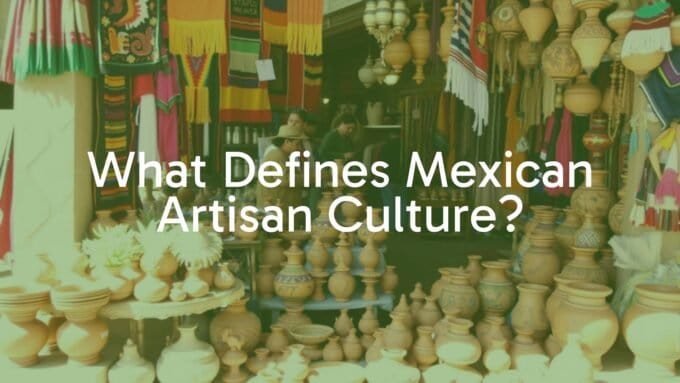
Arturo R. Pansza, a prominent advocate for the initiative, emphasized that these fairs are more than mere markets; they are dynamic expressions of the collective memory and ongoing evolution of Mexico City’s diverse communities. From traditional foods and crafts to music and dance, the fairs offer a unique window into the rich tapestry of Mexican culture.
A Reflection of Historical Roots
The fairs’ deep historical roots are a key argument in their bid for heritage status. Many of these gatherings have existed for centuries, evolving alongside the city itself and adapting to changing times while retaining their essential character. They are seen as direct links to pre-Hispanic and colonial traditions, showcasing the enduring legacy of Mexico’s past.
Economically, the fairs provide vital income for countless local artisans, vendors, and small businesses. They create a micro-economy that supports families and contributes to the overall prosperity of the neighborhoods and villages where they are held. By attracting both local residents and tourists, they stimulate economic activity and promote local entrepreneurship.
The Path to Intangible Cultural Heritage Status
The proposal is currently under consideration by the Mexico City Congress. If approved, it would provide a framework for the preservation, promotion, and sustainable development of these fairs. This could include funding for their organization, educational programs to pass on traditional skills, and measures to ensure their authenticity and cultural integrity.
Advocates believe that granting Intangible Cultural Heritage status would not only protect these invaluable traditions from potential erosion but also elevate their profile, attracting greater recognition and appreciation both domestically and internationally. This would, in turn, further boost their cultural and economic contributions to Mexico City.
Community Support and Future Outlook
The initiative has garnered significant support from community leaders, cultural organizations, and residents who recognize the intrinsic value of these fairs. There is a strong consensus that these events are integral to the identity of Mexico City and deserve formal protection.
As the proposal moves through the legislative process, there is optimism that the unique character of Mexico City’s neighborhood and village fairs will soon be officially recognized as a vital part of its Intangible Cultural Heritage, ensuring their continuation for future generations.