
Mexico City to Become Global Sports Tourism Hub
Mexico City, September 8 – The Mexico City government is set to launch an ambitious initiative to promote an international network of sports, sustainable, community, agro-ecological, and nature tourism routes. This plan aims to integrate the capital’s vast natural resources, including forests, mountains, ravines, rivers, chinampas, and wetlands, into a new tourism offering for both national and international visitors.
Leveraging Mexico City’s Green Lung
Clara Brugada Molina, Head of Government, highlighted that Mexico City boasts 90,000 hectares of green land, accounting for 60 percent of its territory. This natural wealth, she stated, could be harnessed to develop international destinations focused on sports, ecology, and adventure, moving beyond traditional venues like stadiums and racetracks.
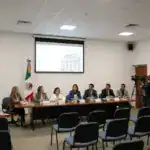
The proposal was unveiled during the opening of the Fourth World Congress on Sports Tourism, an event hosted for the first time outside Europe. The congress brought together over 500 international participants, including authorities, specialists, federation representatives, academics, tourism companies, and civil society organizations in the Mexican capital.
“We want to make Mexico City the world capital of sports tourism. May sport move us, make us cross borders, challenge limits, and discover the world,” Brugada Molina declared.
Diverse Activities in Natural Settings
According to the capital’s leader, the city’s unique geographical features would facilitate hiking, cycling, and other disciplines in natural settings. Lakes, mountains, and forested areas could be integrated into an active, sustainable, and community-based tourism model.
Addressing tourism representatives from various entities and countries, Brugada Molina emphasized that this strategy would build upon existing sports infrastructure and the capital’s rich environmental heritage. The goal is to transform physical activity into a means of exploring the city’s territory, history, and biodiversity.
Among the facilities mentioned are the “Utopías” (Utopias), which feature areas for sports such as padel, rugby, climbing, sports cycling, squash, beach volleyball, and skating. These also include Olympic and semi-Olympic swimming pools, ice rinks, zip lines, and pump track circuits.
Infrastructure Development for Global Events
In preparation for the World Cup, the capital government has constructed or rehabilitated over 500 soccer fields, launched one of the city’s longest bike paths, and developed a floating garden for pedestrians. These projects are linked to expanding sports and recreational alternatives for residents and visitors alike.
Alejandra Frausto Guerrero, the local Secretary of Tourism, noted that Mexico City regularly hosts international competitions such as Formula 1, Formula E, tennis, golf, martial arts, and equestrian sports. Additionally, the city is home to the Marathon, Half Marathon, NFL, NBA, lucha libre, charrería, and the Carrera Panamericana.
Frausto Guerrero stressed that these events must extend their benefits to public spaces and communities, arguing that the value of tourism should not be limited to visitor numbers if it does not generate well-being among the local population.
“May this congress not be a goal, but a new starting point for sports tourism in our City,” she added.
Tourism Growth and Economic Impact
She explained that during the first seven months of 2026, Mexico City welcomed over nine million tourists staying in hotels, representing a seven percent increase compared to the same period last year. Furthermore, the local government’s tourism training program reached 136,000 service providers.
Future Outlook
The initiative aims to position Mexico City as a leading destination for sports tourism, capitalizing on its natural beauty and existing infrastructure to offer unique experiences to a global audience. The focus on sustainability and community engagement underscores a commitment to responsible tourism development.